Bedding Shopping Guide: What’s the Best Material for Bed Sheets? (2026)
Updated: April 10, 2026
When it comes to getting a great night’s sleep, your mattress usually gets all the credit. But even the most supportive mattress can’t make up for sheets that feel itchy or clammy. Bedding sits directly against your skin for around eight hours every night, so the materials you choose can make a big difference in your overall comfort, and even your sleep quality.
The truth is, when it comes to bedding, it’s all about personal preferences: there’s no single material that suits everyone. The best sheets for you will depend on your sleep preferences and struggles. Like, are you a hot sleeper, or do you run cool at night? Do you prefer crisp hotel-like sheets or a silky, smooth feel? Or maybe you want something eco-conscious?
Our guide breaks down the most popular bedding materials, from cotton to bamboo to linen. Keep reading, and we’ll help you figure out what to look for while you’re shopping for new bedding.
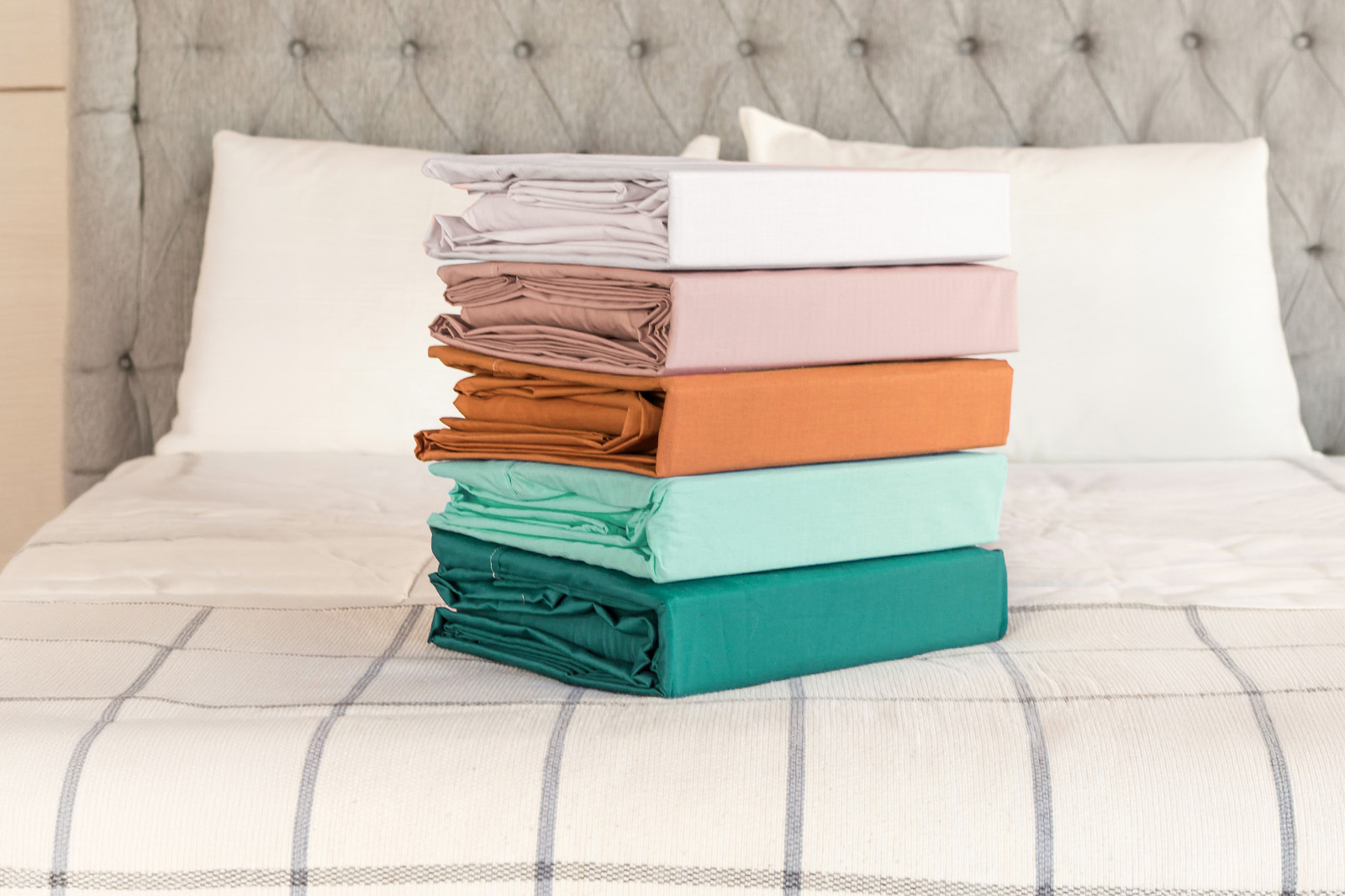
Common Bed Sheet Materials
The material (i.e. the fibre or fabric) of your sheets is likely the biggest decision you’ll need to make when buying new bedding. Bed sheet material affects breathability, durability, and feel, which are all important factors to consider.
Cotton
Cotton is a classic material for bedding, and it’s a popular choice for good reason. It’s a natural fibre that produces breathable, versatile, and easy-to-care-for sheets. That said, the type (or staple) of cotton will affect the quality and feel of your sheets.
Types of Cotton
- Long-staple cotton (such as Egyptian, Pima) makes for smoother, stronger, and more luxurious threads. Since it’s less prone to pilling and longer lasting, long-staple cotton tends to cost more.
- Short-staple cotton (such as Upland cotton) is more affordable and usually has a crisp feel and matte look. That said, it can be more prone to pilling and may feel rougher over time.
- Organic cotton refers to how the material is grown, instead of its staple length. It’s becoming increasingly accessible and popular for its land- and water-conservation efforts. Plus, it’s grown without chemicals, making it a good choice for eco-conscious sleepers.
While cotton is typically easy to care for, it also has its quirks. It can be prone to wrinkling (especially in short-staple options) and shrinking, so it’s best to avoid the high-heat setting on your dryer.
If you want the best of the best, look for Egyptian cotton for its durability and luxurious feel, or organic cotton if you prioritize sustainability.
Cotton sheets might be for you if: |
|---|
You want a versatile, breathable set of bedding that is easy to wash and feels familiar and comfortable. |
Bamboo
Bedding crafted from bamboo is typically made from processed fibres that have been transformed into rayon, modal, or lyocell. Bamboo is a fast-growing plant that needs less water and fertilizer, making it a more sustainable choice than traditional cotton. These materials are usually produced using a near-closed-loop process, which results in little to no chemical runoff or water waste.
Bamboo sheets are fairly durable but can benefit from a little extra care on laundry day to keep their smooth texture. It’s a generally cool material, but sets with very high thread counts or heavy sateen weaves may end up trapping some heat.
These increasingly popular sheets have a silky look and a cool-to-the-touch feel. Bamboo is also naturally moisture-wicking, keeping you dry and comfortable all night. Plus, the material can be antibacterial and hypoallergenic.
Bamboo sheets might be for you if: |
|---|
You’re looking for smooth, moisture-wicking bedding with a smaller environmental footprint. |
Linen
Linen is a well-known material made from flax cellulose fibres. It may feel stiff, coarse, and rustic at first, but it softens with every wash. Linen can even last decades when properly cared for.
Flax is also a very eco-conscious crop. It doesn’t require much land or water to grow, is naturally pest-resistant, and nearly every part of the plant is usable, meaning minimal waste.
Although it’s famous as a summer staple, linen can also keep you warm in winter. Its thick, but loosely woven, fibres help regulate temperatures while keeping things breathable. Linen feels crisp against the skin and naturally resists pilling. That said, high-quality linen is also more expensive and needs more care than standard cotton or polyester sheets.
Linen sheets might be for you if: |
|---|
You want a sustainable, temperature-regulating set of sheets that offers crisp comfort and a beautiful, relaxed aesthetic that only gets better with age. |
Flannel
When Canadian winter hits, many reach for flannel, which helps retain heat. Flannel isn’t a specific fibre, but a type of material finish. It’s typically made of cotton or a cotton blend, brushed before weaving to create a thicker, fuzzier, and exceptionally warm nap.
Flannel is durable and easy to toss in the wash. But if your set is all-cotton, be mindful of the dryer as high heat can cause it to shrink. Due to their signature fuzzy texture, some flannel sheets are prone to shedding lint in the first few washes or pilling over time. Flannel also won’t be as breathable as other materials, so it might not work for you year-round.
Flannel sheets might be for you if: |
|---|
You run cold or live in a cool climate, and you want a warm, fuzzy set of sheets. |
Polyester/Microfibre
Polyester is a synthetic material made from petroleum byproducts. Polymers are spun into long, thin fibres, and then woven into a variety of weaves and fabrics. Microfibre sheets are made from these same polyester fibres, but are brushed before weaving for a soft, velvety feel.
While polyester is moisture-wicking and can initially feel cool to the touch, it’s not a breathable material. This looks like trapping heat instead of releasing it, which can be uncomfortable, especially for warm sleepers. Microfibre sheets also tend to become staticky and attract dust or pet hair.
That said, polyester sheets are still a popular option because they’re easy to care for. And if you hate ironing but wrinkles in your sheets after wash day bother you, you’ll like polyester for its wrinkle-resistance.
Polyester or microfibre sheets might be for you if: |
|---|
You’re looking for an affordable, warm, and easy-to-care-for set of sheets, and you’re not worried about breathability. |
Silk
Silk is considered one of the most luxurious bedding choices. It’s crafted from the inner cocoon layer of silkworms, and is a fabric known for its lustrous appearance and smooth, cool feel.
It’s naturally hypoallergenic and gentle on hair and skin by minimizing friction that can cause bedhead or irritation. That said, silk is high-maintenance and more expensive than most other bedding options. You’d need to wash it on a delicate cycle or by hand.
Silk’s environmental impact is also a topic of debate. While it’s made from a renewable resource and is a biodegradable material, most harvesting operations involve killing the silkworm. Silkworms also feed exclusively on mulberry trees, which need large amounts of land, water, and fertilizer to thrive at scale.
Some sleepers swear by silk for its natural hypoallergenic properties. Although it’s an investment, a high-quality silk bedding set can last several years if you care for it properly. If you’re not looking to splurge on silk, bamboo sheets offer a similar silkiness and cool-to-the-touch feel.
Silk sheets might be for you if: |
|---|
You are looking for a cool, smooth sleep surface, and you don’t mind the higher price tag or the specific, delicate laundering requirements. |
Sheet Material Comparison:
Material | Pros | Cons | Best For… |
|---|---|---|---|
Cotton |
|
|
|
Bamboo |
|
|
|
Linen |
|
|
|
Flannel |
|
|
|
Polyester & Microfibre |
|
|
|
Silk |
|
|
|
Types of Weaves
While the material tells you what the fabric is made of, the weave tells you how it was built. Weave can matter as much as material, since it can change how a sheet breathes, drapes, and lasts before showing signs of wear.
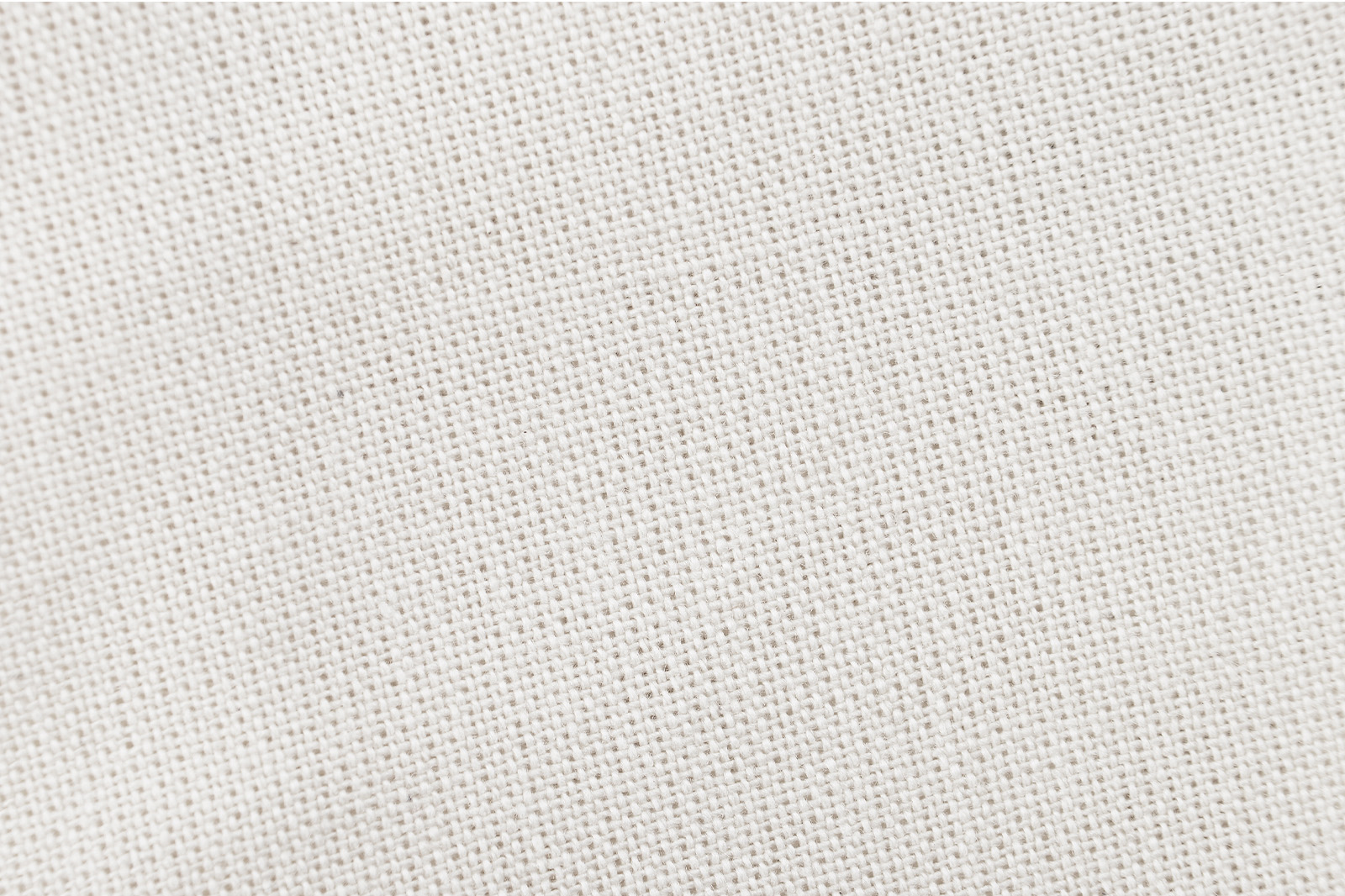
Plain / Percale
A percale weave is a simple one-over, one-under pattern. This forms a tight, flat structure with a crisp, matte finish, like a freshly-pressed shirt.
Percale-woven sheets are lightweight and allow for excellent airflow. This makes them a breathable bedding material, perfect for summer, hot sleepers, or people in warm climates.
You can often find cotton or linen sheets woven with a plain or percale weave.
Sateen
Sateen uses a one-under, three-to-four-over pattern, exposing more thread on the surface. This makes the sheet silky and subtly shiny.
Sateen is heavier-weight and more tightly woven than percale. It has a beautiful drape, is less prone to wrinkling, and makes for a year-round favourite. Sateen sheets will allow for slightly less airflow than percale sheets, so they may also feel slightly warmer.
You’ll see a sateen weave used on materials like cotton, bamboo, or silk.
Twill
A twill weave features a two-or-more-over, one-or-more-under pattern, which creates a diagonal ribbing. You’ll often see twill in materials like denim, since it offers durability, stain resistance, and a unique texture, although it lacks the softness of some other weave types. You’ll see twill used less often in luxury sheets.
Jersey
Technically, jersey is a knit, not a weave. Like a T-shirt, it’s looped from a single yarn, creating stretchy, soft, cozy bedding. Comfort-focused users love it, but it can lose shape over time.
Pinpoint
Pinpoint, commonly used in cotton or linen sheets, is a basket-weave pattern with a 2-over-2-under repetition. It’s more durable than percale but less silky than sateen, making it a good choice for crisp, long-lasting sheets.
Decorative Weaves
For decorative items like pillow shams or the top of a duvet cover, complex weave techniques are used to create patterns (think stripes or florals) directly in the fabric rather than printing them on. Examples are Damask, Dobby, or Jacquard.
How to Choose the Right Bed Sheet Material
Besides material and weave, there are other factors to think about when choosing your next bedding set. When you’re sheet-shopping, consider:
- Your budget: How much you’re willing to spend will narrow down your options. Microfibre and basic cotton are great for smaller budgets, while linen and silk will be a bigger investment.
- How the sheets feel: Decide the sensation you want at bedtime. Do you prefer crisp coolness (percale cotton) or silky smoothness (sateen, bamboo)?
- Your sleep temperature: If you overheat, pick linen, bamboo, or percale cotton. If you’re often cold, choose sateen cotton, microfibre, or flannel.
- Maintenance and care: Picture yourself on laundry day. Are you ready to air-dry linen or hand-wash silk? If not, you might prefer easy-care cotton or polyester.
- Allergies or sensitivities: For sensitive skin or allergies, choose hypoallergenic bamboo or silk. Avoid microfibre if dust allergies are a problem, since brushed synthetic fibres attract pet hair and dander.
How Often Should You Replace Your Bed Sheets?
Even the most luxurious sheets won’t last forever. As a rule of thumb, you can expect a good set of sheets to last 2 to 5 years. But there are multiple factors that affect a sheet’s lifespan.
Sheet Factors
- Material Quality: High-end long-staple cotton or linen can often last a lot longer, while budget-friendly or synthetic materials may begin to pill, thin, or lose their shape sooner.
- Material Type: While polyester typically lasts two to three years, high-quality natural fibres or well-maintained synthetic-natural blends can offer a longer lifespan.
- Thread Count: Thread count measures how tightly a fabric is woven. Sometimes, a higher thread count can mean longer durability. But this isn’t always the case. Read more below for details.
- Weave Density: Denser weaves are stronger and resist fraying. Plain weaves are durable, while sateen (with more vertical yarns) is softer but may pill over time.
Human Factors
- Care and Cleaning: Always follow the specific laundry instructions on the care tag. Taking good care of your sheets, including storing them properly, can significantly extend their life. Check out our guide on how to fold a fitted sheet (which helps prevent stretching).
- Usage: How often you sleep on and wash your sheets directly impacts their wear and tear. Rotating between multiple sets will help each individual set last longer. And consistently cleaning your sheets can help prevent staining or yellowing.
You’ll know it’s time to go shopping when you notice visual cues like thinning fabric, small holes, or persistent yellowing (especially on white sheets) that won’t lift even after a heavy-duty wash.
Pro-Tip: |
|---|
Do an inventory and check your sheets during spring or fall cleaning. As the seasons are changing, it’s the perfect time to rotate your linen closet, giving your sheet sets a break and helping them stay fresh for years to come.
|
How Often Should You Wash Your Sheets?
Sleep hygiene boosts comfort and health. Because you spend a third of your life in bed, sheets collect sweat, oils, and shed skin cells.
As a rule of thumb, you should wash your flat and fitted sheets and pillowcases once a week. A consistent schedule keeps your sleep space clean and healthy. If you sleep without a flat sheet, you may also want to wash your duvet or comforter weekly. Using a duvet cover for this can make laundry day a little easier.
If you sleep with pets or are a hot sleeper, you might want to wash your sheets every 4–5 days. On the other hand, if you don’t use your bed every night, you can probably stretch this to every two weeks.
Does Sheet Thread Count Matter?
Thread count is a measure of how tightly a fabric is woven, specifically the number of threads (total vertical and horizontal threads, AKA warp and weft) in one square inch. While it’s often used as an indicator of quality, it’s not the only factor that determines how a sheet feels, meaning that a higher number isn’t always better.
Thread counts above 600–800 often mean multi-ply yarns boosting count, but this can make sheets coarser, heavier, and less breathable. For quality, look for these thread-count ranges:
- Cotton Sheets: 300–400
- Percale weaves are usually 200–400, while denser Sateen weaves can range from 300–600.
- Bamboo Sheets: 250–350
- Bamboo fibres are naturally softer, so lower counts still feel luxurious.
- Linen Sheets: 80–140
- Linen uses much thicker flax fibres, so the thread count is naturally lower for similar quality. Linen quality is more often measured in grams per square metre (GSM), with quality sheets falling in the 140–160 GSM range.
- Silk Sheets: 300–600
- Low-thread-count silk feels airy and smooth, while higher counts feel warmer. But silk quality is better measured using the Japanese momme unit. Look for silk bed sheets ranging from 17 to 30 mommes.
At the end of the day, the type of fibre and the material weave say more about comfort, quality, and durability of the bedding than the thread count alone.

What Are the Best Cooling Bedding Materials?
Do you ever wake up hot or need to flip your pillow? Your sheet material could be a culprit. Some fabrics trap heat; others let air circulate.
For cooler sleep, look for breathable bedding materials or moisture-wicking fibres. Natural fibres usually perform stronger here than synthetic materials: Cotton is breathable and absorbent, linen’s hollow fibres promote airflow, and bamboo is moisture-wicking and feels cool to the touch.
Sleepers who want a smooth but crisp set of breathable sheets might like the Douglas Egyptian Cotton Sheets. On the other hand, Logan & Cove Bamboo Sheets are cool to the touch and great at wicking moisture away from the skin, keeping you dry all night long.
Best Bed Sheets in Canada
The Canadian market offers great bedding options that deliver high-performance cooling and complement the latest sleep technology. Brands like Douglas and Logan & Cove offer quality materials, including certified Egyptian cotton and silky rayon derived from bamboo.
Lots of the top Canadian bed-in-a-box brands also often include high-quality sateen cotton sheets as a free gift with a mattress purchase, which is a great way to refresh your entire sleep setup at once.
READ MORE: Canadian Bed-In-A-Box Mattress Companies
We’re here to help you find the right mattress for your needs. Start by exploring our top mattress guides and resources:
- Best Mattress Guides: 5 Tips for Choosing A New Mattress, Canadian Mattress Brands
- Reviews: Douglas Original, Logan & Cove Choice, Juno, Octave Vista
- Comparisons: Bloom vs Douglas, Endy vs Juno
We test mattresses with independent engineers, scoring them on over 40 important factors like price, warranty, comfort features, motion isolation, and more. Every mattress is reviewed based on real data, making it easier to compare and choose.
Top Pick 2026
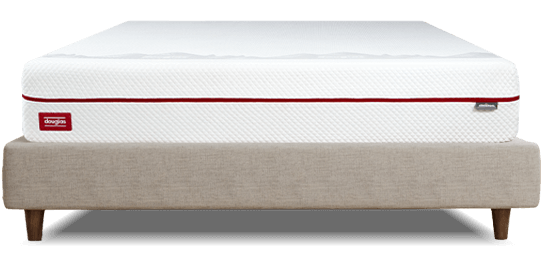
Douglas Original
Top-Rated Canadian Foam Mattress
- 365-night sleep trial, 20-year warranty, and free bedding bundle with purchase
- Comfortable cooling gel foam top layer, with convenient machine-washable cover
- Earns a high score for motion isolation
SPRING SAVINGS EVENT! Buy any Douglas mattress today and get a FREE Comfort Sleep Bundle + Duvet Set, Up to 25% OFF Bed Frames, and 15% OFF All Accessories. See website for details >
Sponsored Ad
Table of Contents


 Save
Save
Save
Save